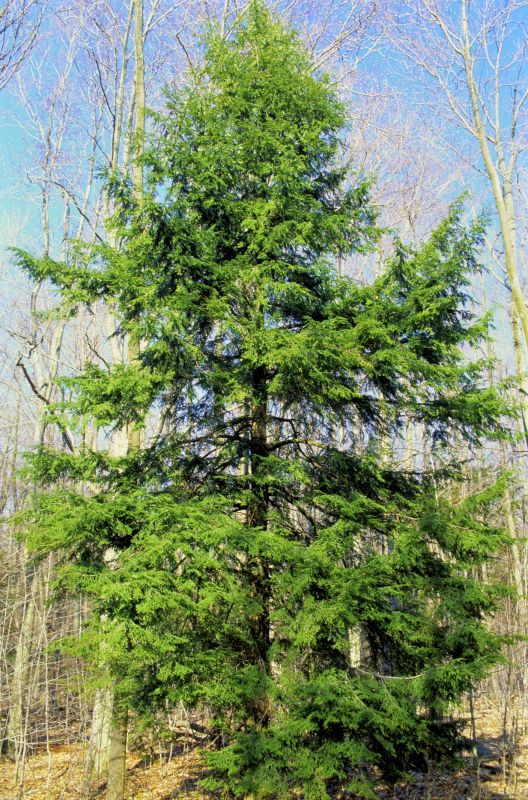
Hemlock Removal in Philadelphia, PA
Hemlock removal services involve safely and efficiently eliminating hemlock trees from residential properties. This process is often requested for projects such as clearing overgrown landscapes, preventing the spread of pests or diseases, or removing hazardous trees that pose safety risks. Property owners typically seek information about the scope of the removal, including whether the entire tree or just certain parts need to be taken out, as well as understanding the potential impact on the landscape and surrounding trees.
Before requesting hemlock removal, homeowners usually want to know about the health and stability of the trees, the methods used for removal, and any necessary cleanup afterward. It’s also common to inquire about the timing of the work and how it might affect property access or nearby plants. Clear communication about these aspects can help ensure the project meets expectations and maintains the safety and aesthetics of the property.
Many property owners in Philadelphia, PA look into Hemlock Removal for repairs, replacements, upgrades, and appearance-related improvements.
Reasons For Hemlock Removal
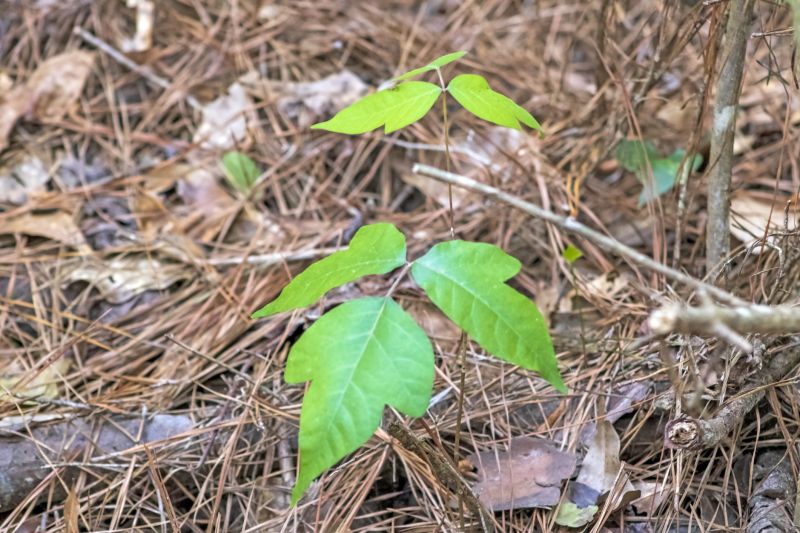
Removing damaged or diseased hemlocks can improve the safety and appearance of residential properties in philadelphia.
Hemlock Removal Process
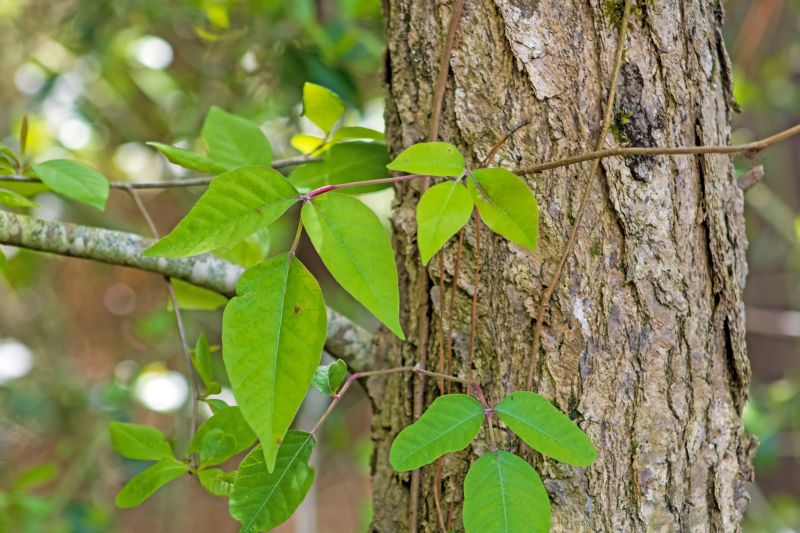
The service involves carefully cutting and removing mature hemlock trees to prevent damage to surrounding landscape.
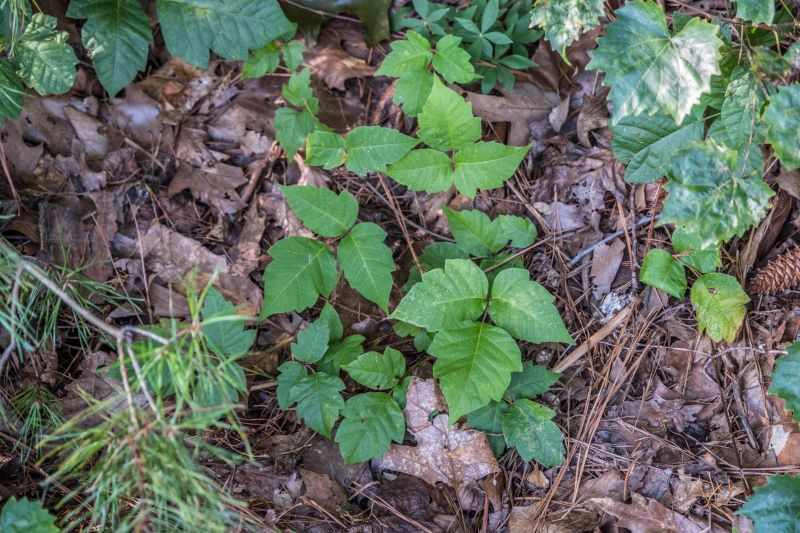
Benefits Of Hemlock Removal
Proper removal helps reduce risks of falling branches and prepares the area for future landscaping projects.
Hemlock Removal in Philadelphia, PA
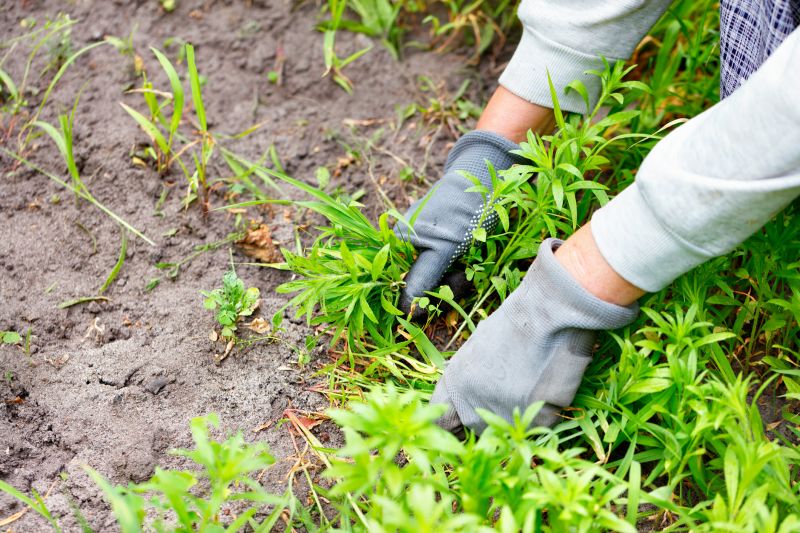
Hemlock removal services involve safely and efficiently eliminating hemlock trees from residential properties. This process is often requested for projects such as clearing overgrown landscapes, preventing the spread of pests or diseases, or removing hazardous trees that pose safety risks. Property owners typically seek information about the scope of the removal, including whether the entire tree or just certain parts need to be taken out, as well as understanding the potential impact on the landscape and surrounding trees.
Before requesting hemlock removal, homeowners usually want to know about the health and stability of the trees, the methods used for removal, and any necessary cleanup afterward. It’s also common to inquire about the timing of the work and how it might affect property access or nearby plants. Clear communication about these aspects can help ensure the project meets expectations and maintains the safety and aesthetics of the property.
Many property owners in Philadelphia, PA look into Hemlock Removal for repairs, replacements, upgrades, and appearance-related improvements.
Common Hemlock Removal Jobs
Hemlock Removal - safely eliminates invasive hemlock trees to protect surrounding landscape.
Hemlock Thinning - reduces tree density to improve forest health and growth.
Hemlock Stump Removal - removes tree stumps to prevent regrowth and improve yard appearance.
Hemlock Disease Management - addresses signs of hemlock woolly adelgid and other pests.
Hemlock Clearing - clears overgrown areas to create open space and enhance property value.
Hemlock Tree Removal - removes hazardous or unwanted hemlocks to ensure safety and aesthetics.
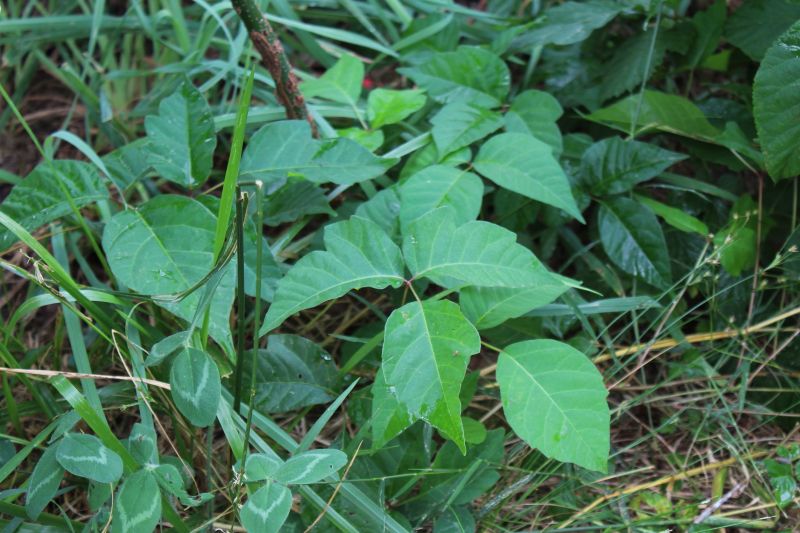
Hemlock Removal Questions
Why should Hemlocks be removed from my property? Hemlocks can pose safety risks, spread pests, and cause damage to nearby plants if left unmanaged.
How is Hemlock removal typically performed? Removal involves cutting down the trees and removing roots to prevent regrowth, often with equipment suited for the job.
Are there any concerns about Hemlock removal affecting the landscape? Proper removal can help maintain the health and appearance of surrounding plants and prevent future issues.
What signs indicate that Hemlock removal might be necessary? Signs include declining tree health, safety hazards from falling branches, or overgrowth that impacts property aesthetics.
Request Hemlock Removal in Philadelphia, PA
Use the quote form on this page to share the basics of your project and request more information for the type of work you need.